
About family, children and psychological resilience: meetings with Prof. Larisa Didkovska at the Nova Khvylka school
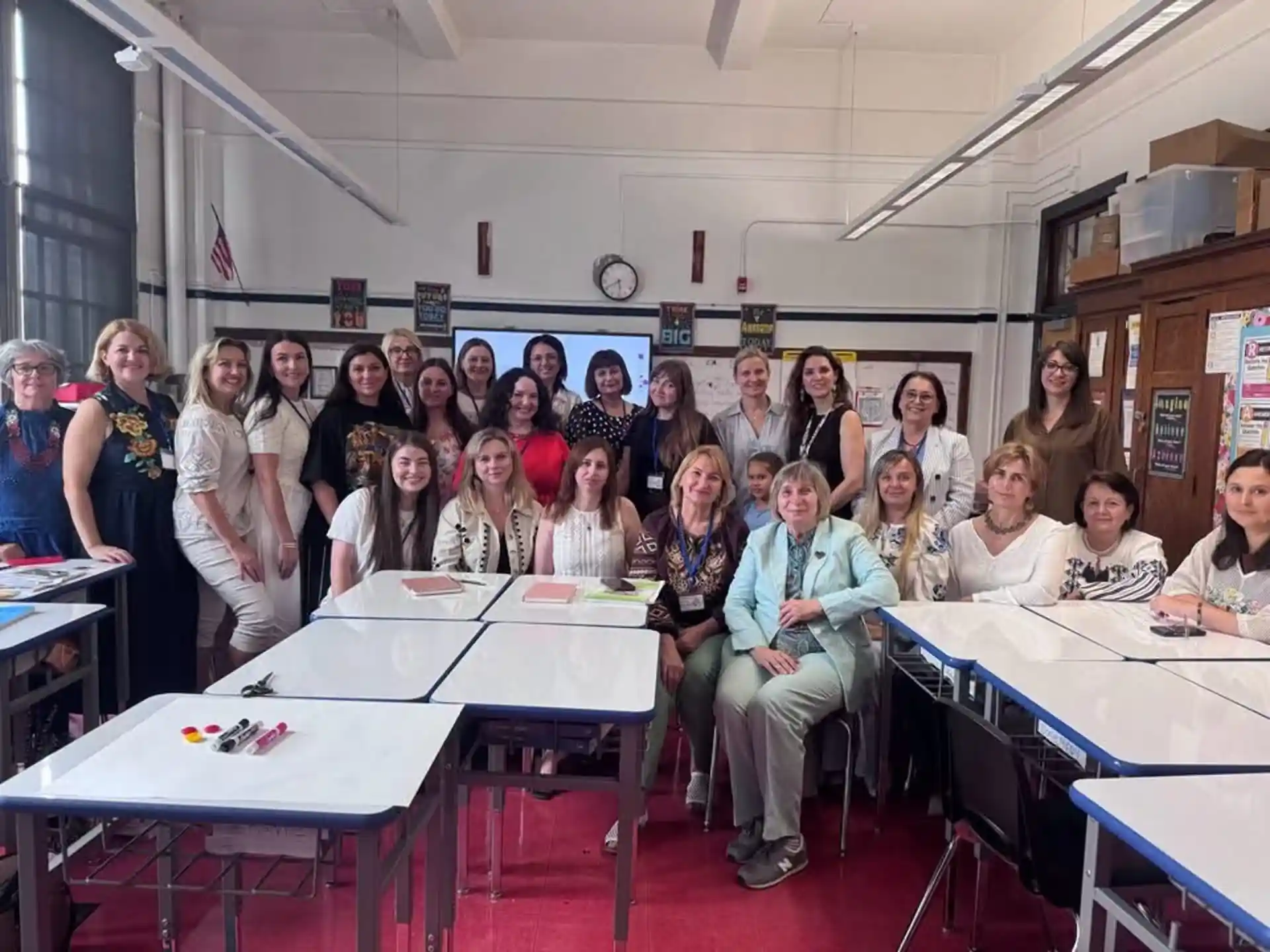
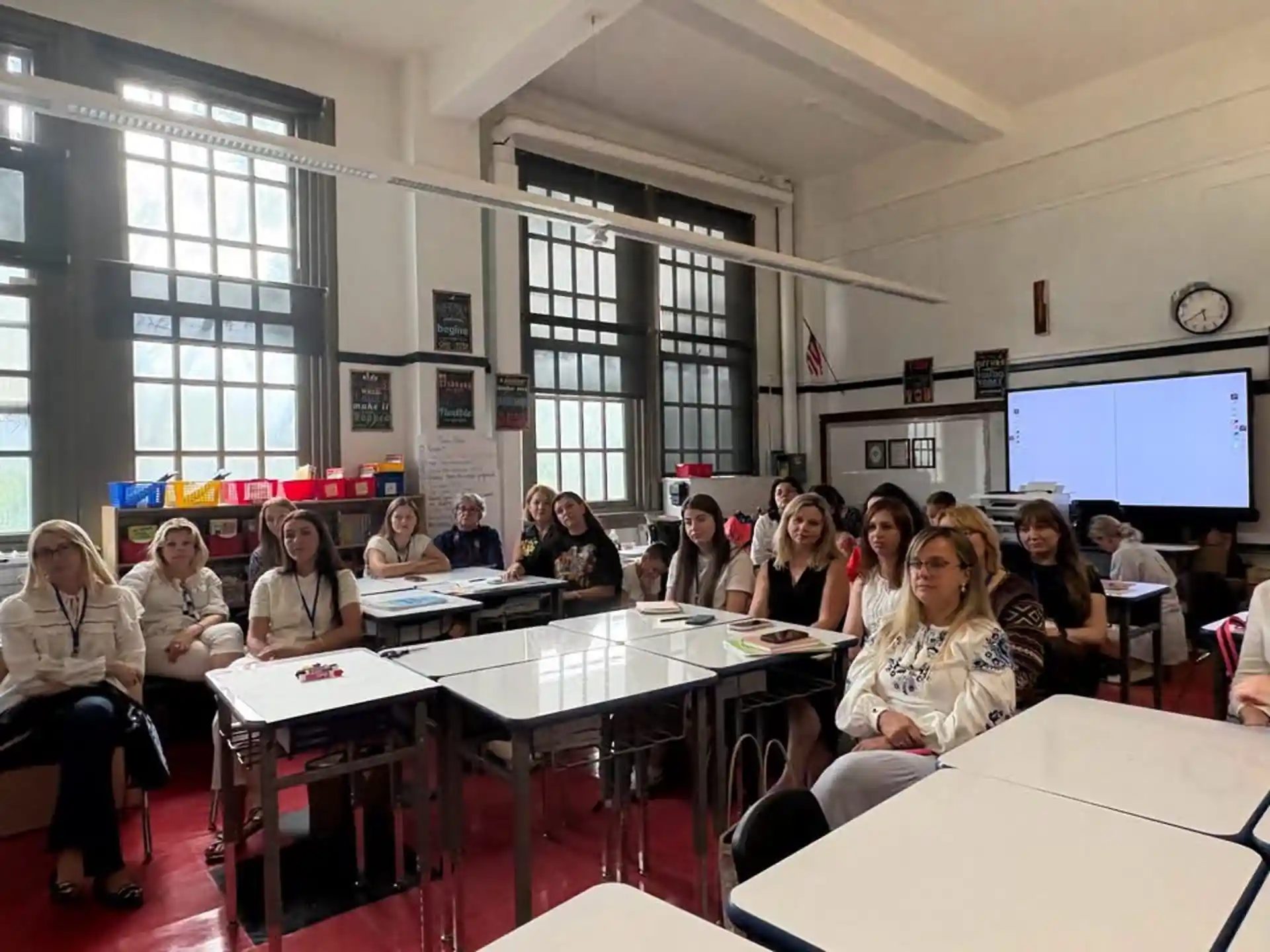
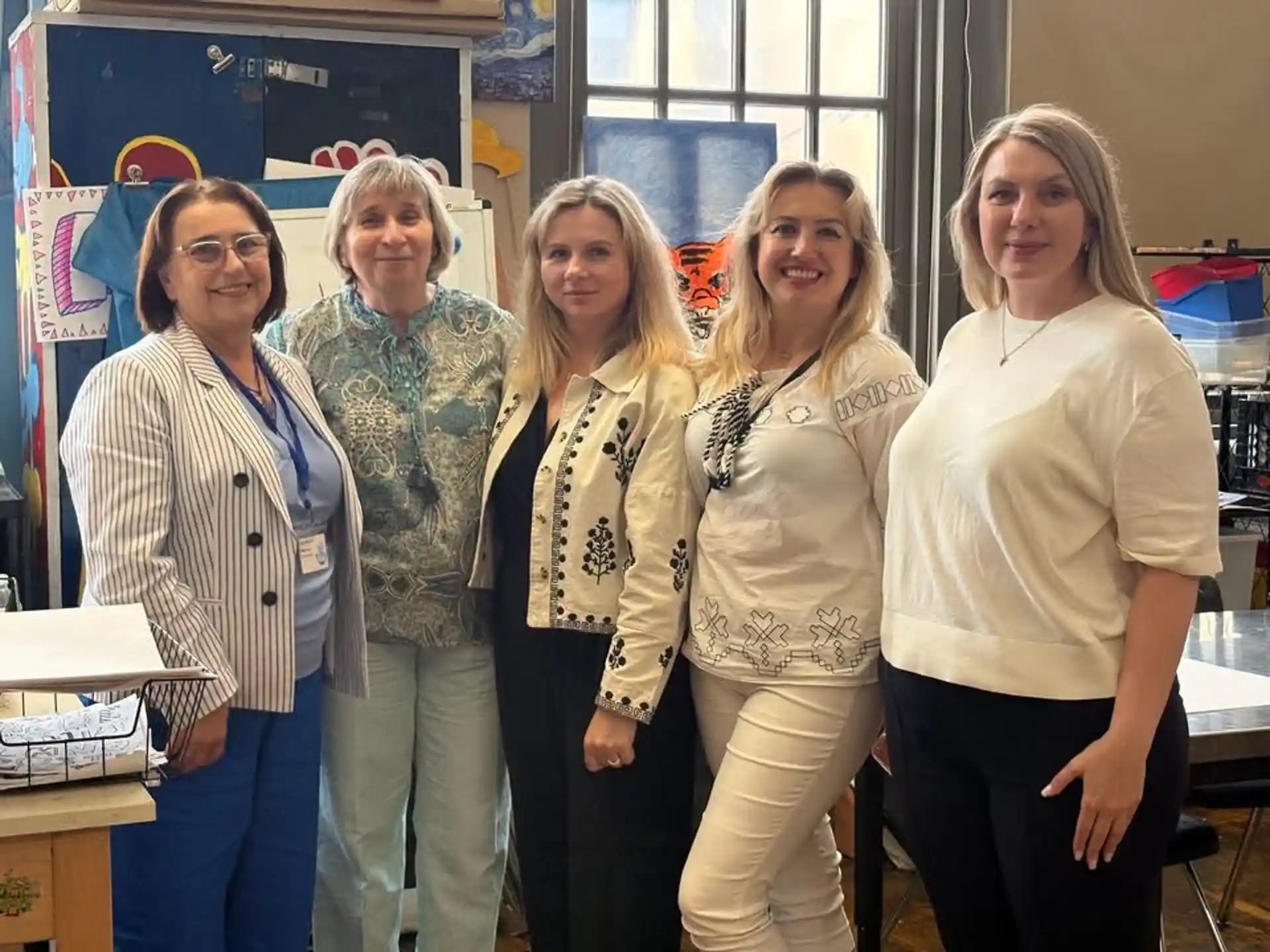
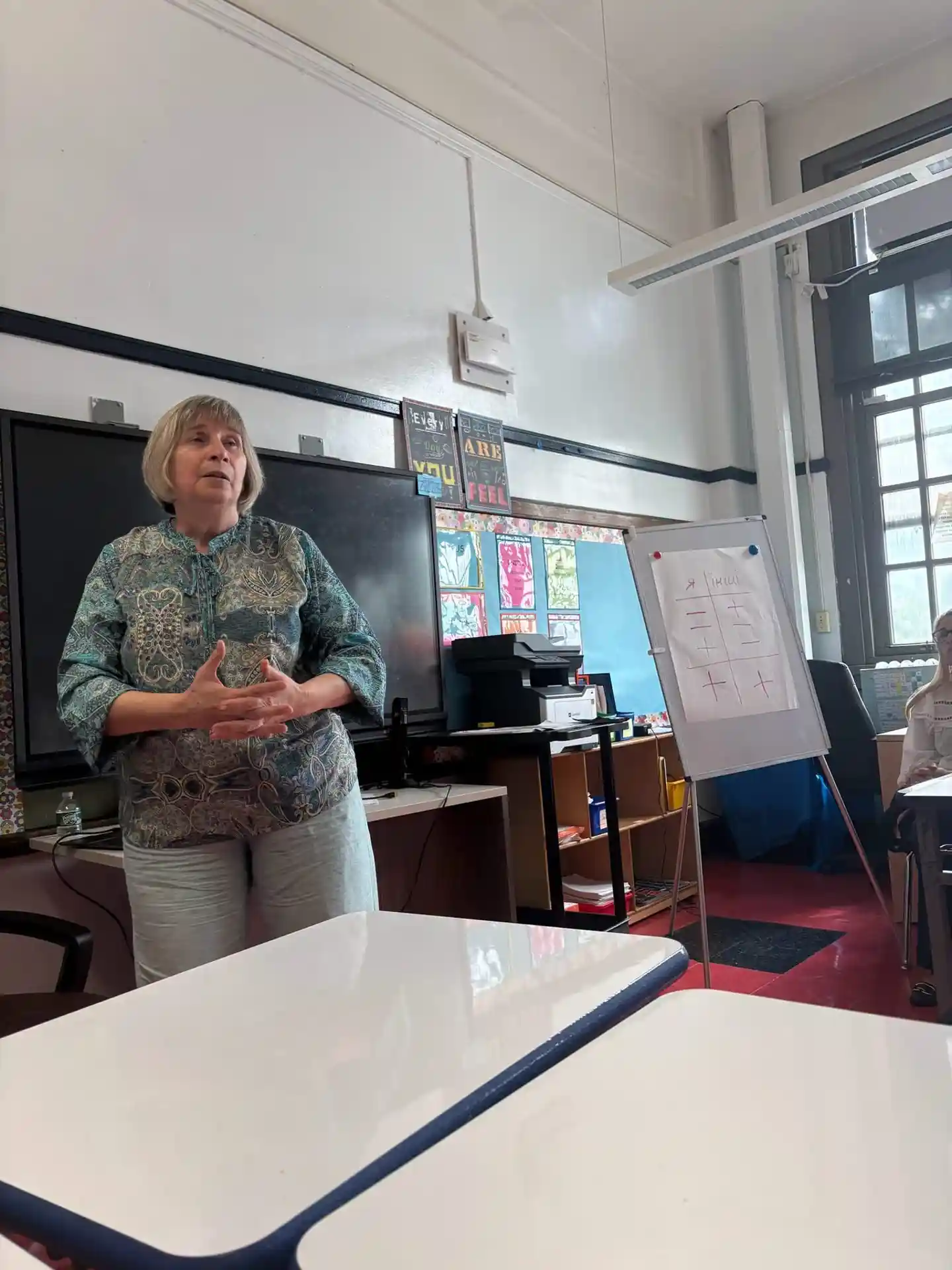
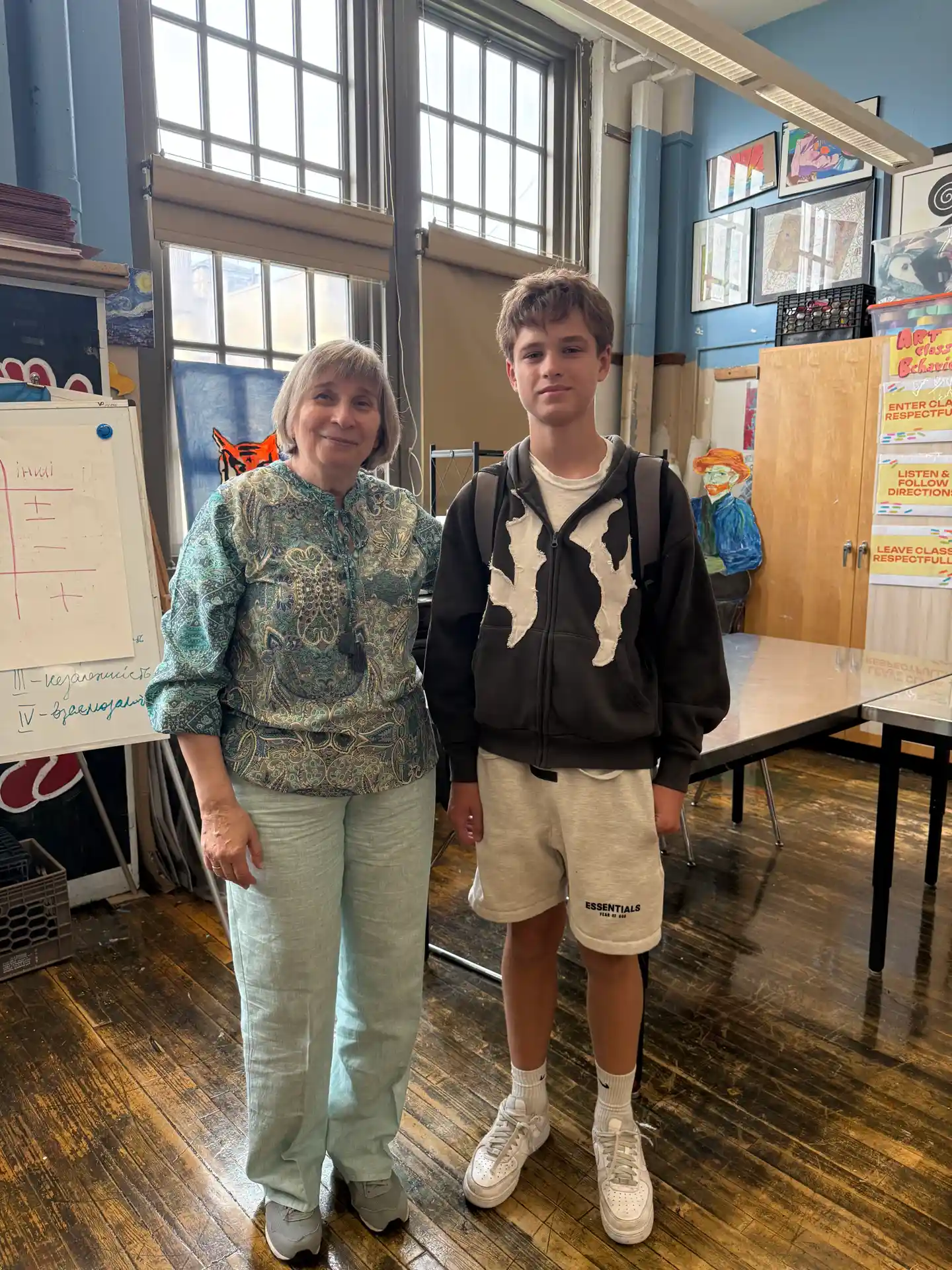
On September 19, at the New Wave School of Ukrainian Studies in Brooklyn, we had the great pleasure of holding two meaningful and extremely interesting meetings with Dr. Larisa Didkovska, rector of the Ukrainian Free University and professor of the Department of Psychology at the Ivan Franko National University of Lviv.
The first meeting was organized for high school students and concerned one of the last spheres of every person's life - togetherness between parents and children. The topic of the lecture was "Parent-child relationships: concepts, psychological dimensions and features at different stages of the family life cycle."
During the conversation, Prof. Didkovska explained that the family cannot be perceived as an unchanging structure. The family is constantly developing, becoming one with the life circumstances of its members and going through other stages of change. It is in the family environment that a child receives the first experience of trust, security and acceptance. The nature of these relationships largely determines how a person will perceive themselves, others and build close relationships in the future.
A significant half of the meeting was devoted to the teenage period. The lecturer stated that teenagers' desire for independence, the desire to have their own opinion, and a decrease in separation from parents are a natural part of growing up. At this time, the role of parents should also change: increased control should be given to faith, open communication, cooperation, and respect for the personal space of a young person.
Family in an era of trials is not a static outpost, but a living network of support, where love is not measured in kilometers,
but with deep empathy and shared responsibility.
Separately, the participants spoke about the specifics of the life of Ukrainian families in the diaspora. Parents face a difficult task: to help their children preserve the Ukrainian language, culture, and sense of belonging to their people, while at the same time supporting their successful integration into American society. In this context, the Ukrainian language has not only cultural but also emotional significance, as it is often used to convey family closeness, memories, and traditions.
They also talked about the changes that are taking place in families due to the different pace of adaptation of parents and children. Children are more likely to master a new linguistic and cultural environment, which can affect the usual distribution of roles in the country.
Ukrainian families, whose members are now separated by war and forced migration, were also included. Prof. Didkovska noted that geographical separation does not necessarily mean emotional distance. Regular conversations, shared online habits, attention to the daily lives of loved ones, and a sincere sense of presence help maintain family ties even when people are separated by thousands of kilometers.
The second meeting brought together school teachers and parents. Its topic was "Features of psychotherapeutic work with children in the Gestalt approach."
During the lecture, Prof. Didkovska visited with approaches to psychological work with children, emphasizing primarily the need to create an atmosphere of trust and psychological safety. An important place in the work is the understanding that the child is experiencing the same thing now, as well as the opportunity to help him express his feelings in ways accessible to him.
It was about, in particular, the use of games, creative activities, drawing, metaphors, and other tools with which a child can better feel their own emotions and convey them to an adult.
Within the Gestalt approach, a child’s complex behavior is viewed primarily in the context of their interaction with the environment. Anxiety, aggression, or destructive reactions may be ways in which a child tries to cope with stress or adverse conditions. This view is a particular Ukrainian problem in working with children who may have experienced war, forced displacement, loss of their familiar environment, or need to adapt to a new language and culture.
The practical part of the meeting was devoted to how adults should respond to children's difficult behavior. Teachers and parents were recommended to separate behavior from the child's personality: to talk about a specific act, and not to apply negative labels. At the same time, it is important to recognize the child's emotions, help him name what he feels, and at the same time look for accepted ways to solve problem situations.
The importance of personal boundaries was discussed separately. Children need both support and care from adults and the opportunity to develop independently. An important task is also to support their real efforts and achievements and to develop assertiveness - the ability to express one's own position and defend one's boundaries without violating the rights of others.
Another aspect of the conversation was psychological resilience. According to Prof. Didkovska, it is important for adults to create conditions for a child in which he feels not only protected, but also his own ability to influence his life. The child must progress to realize himself as a person who can make decisions, act, help others and find ways to overcome a difficult context.
Special attention was paid to the football school in this process. For Ukrainian children living outside Ukraine, the Ukrainian studies school performs a much broader function than just the transfer of knowledge. It can be a place where a child feels stability, belonging, support, and a connection to the Ukrainian language, culture, and traditions.
“All children are born free and worthy, and the task of adults is not to break this dignity, but to give them enough love, support, and safe boundaries,” concluded Prof. Larysa Didkovska.
The meetings became a place for open discussion of issues that are particularly relevant for the Ukrainian family today: interaction between parents and children, the peculiarities of adolescence, adaptation in another country, psychological resilience and support for children experiencing the consequences of war and forced migration.
At the same time, these conversations once again demonstrated the important role of Ukrainian schools abroad. They are not only a place of study, but also an environment in which the younger generation can maintain contact with their cultural and linguistic roots, find like-minded people, and feel part of the Ukrainian community.
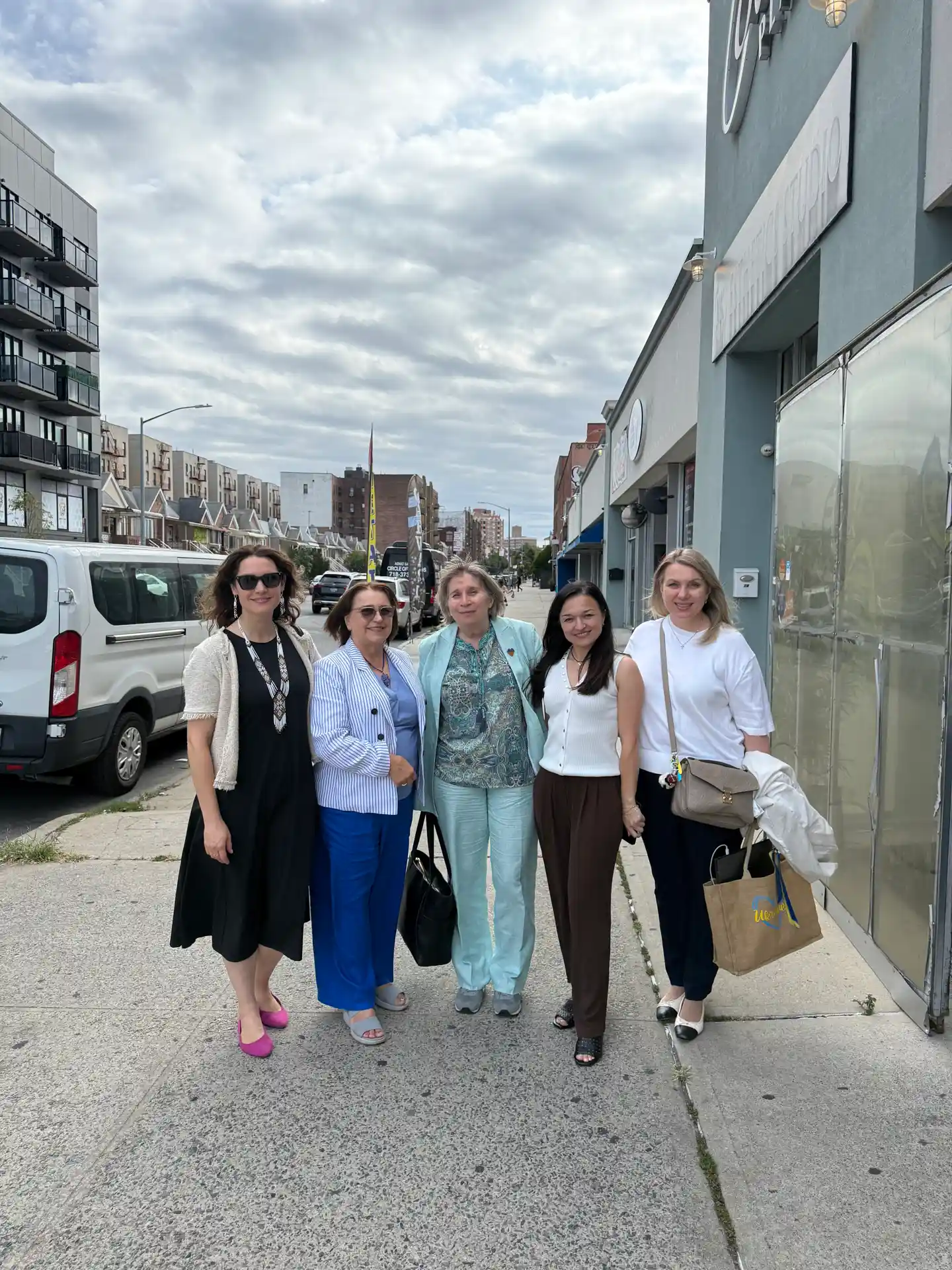
The meetings took place as part of a working visit by Prof. Larisa Didkovska to the USA at the invitation of the Religious Society of Ukrainian Catholics "Saint Sophia" of the USA.